English
 Polish
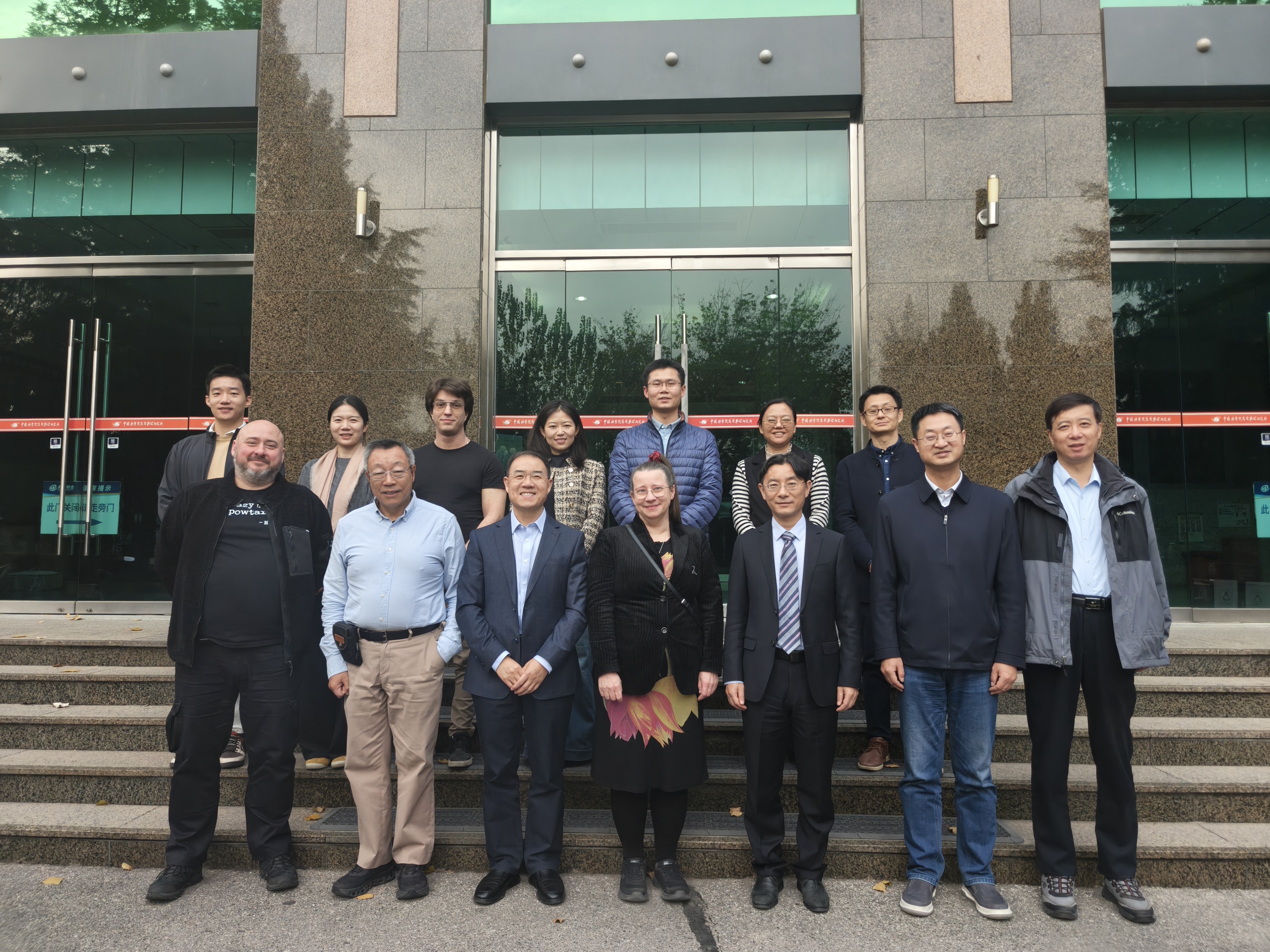
Strategic meeting of the consortium of institutes within the POLAR-2 project
12-12-2025
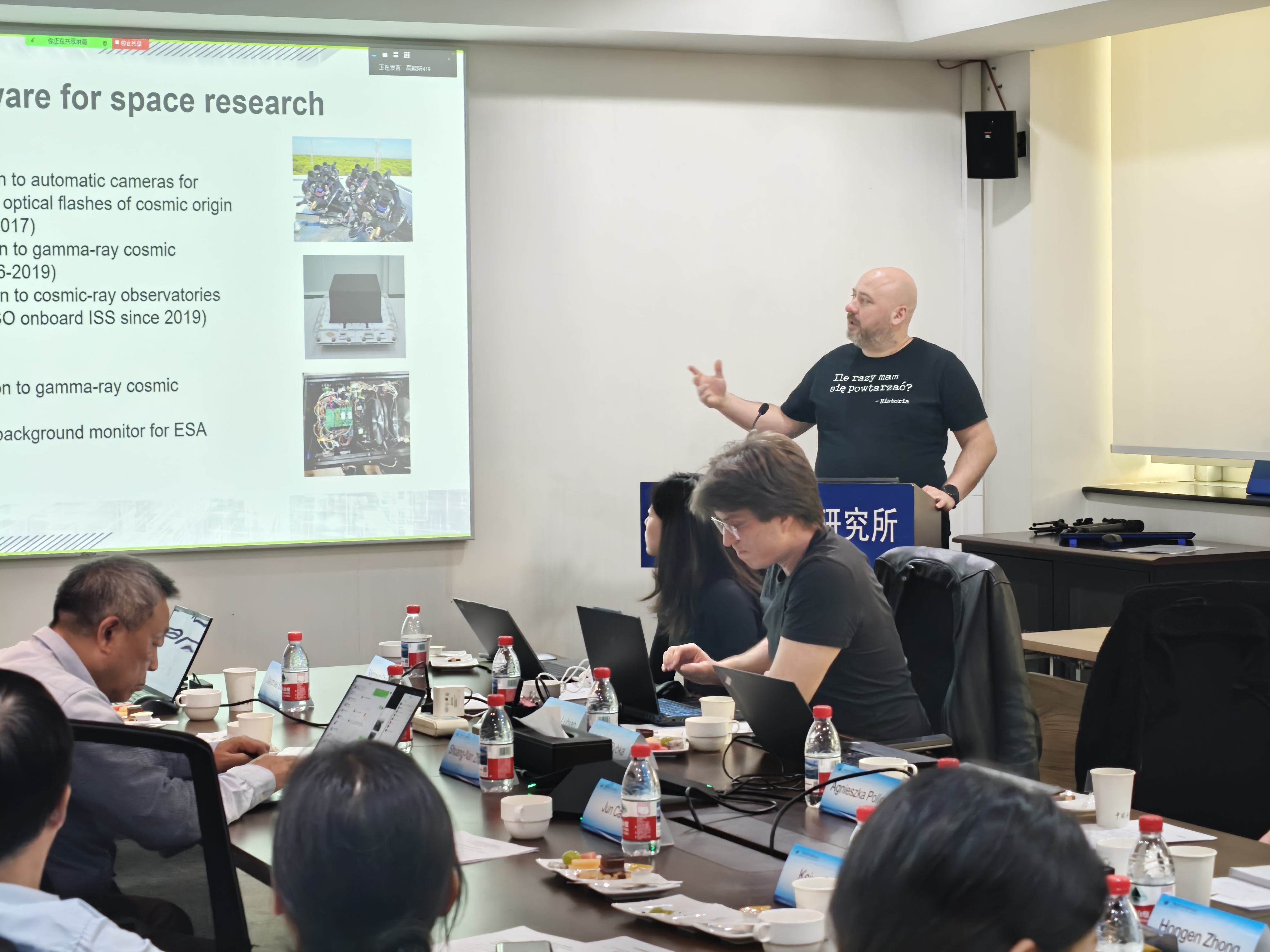
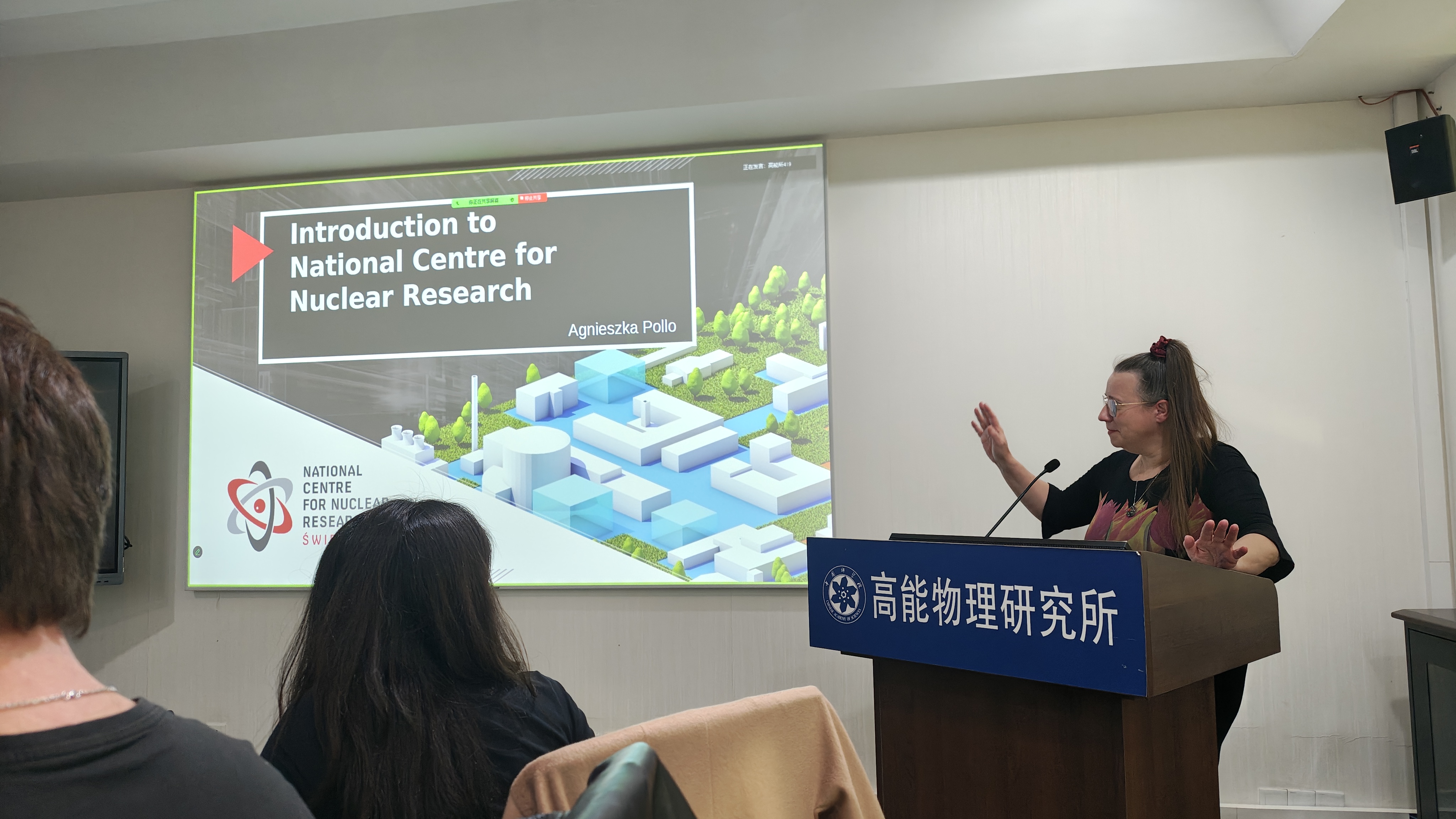
On 15 November, a meeting was held between representatives of the management of NCBJ, IHEP and European partners of the project: the University of Geneva and the University of Tübingen. The meeting was of a strategic nature. The prospects for cooperation and scientific research in the field of high energy physics, astrophysics and space research were discussed.
The main focus of the meeting was presentations of the potential of research centres cooperating within the POLAR-2 project. Prof. Jun Cao, Director of IHEP, presented the Institute's current projects and directions of development, while Prof. Agnieszka Pollo presented the research priorities of NCBJ, including projects and plans related to high-energy physics and space research.
POLAR-2 is an international project demonstrating the potential of global cooperation in space research. In 2019, the experiment was among six projects selected in a competition organised by UNOOSA and the China National Space Administration to be placed on the Chinese space station. The instrument is designed to precisely measure the polarisation of cosmic gamma-ray bursts – short flashes of very high-energy radiation, most likely produced during hypernova explosions and neutron star collisions. Polarisation analysis will allow scientists to understand, among other things, the role of magnetic fields in the course of these extreme phenomena. The project is being carried out by a consortium of institutes from Switzerland, Poland, Germany and China. NCBJ is responsible for key on-board electronic systems, including the computer and low-voltage power supply system. The project manager on the Polish side is Prof. Agnieszka Pollo, and the technical coordinator is Dominik Rybka, MSc Eng. After being launched into orbit, POLAR-2 will observe approximately 250 gamma-ray bursts per year and provide accurate polarisation measurements for about 30 of them.