English
 Polish
POLAR 2 instrument – working groups meeting
12-12-2025
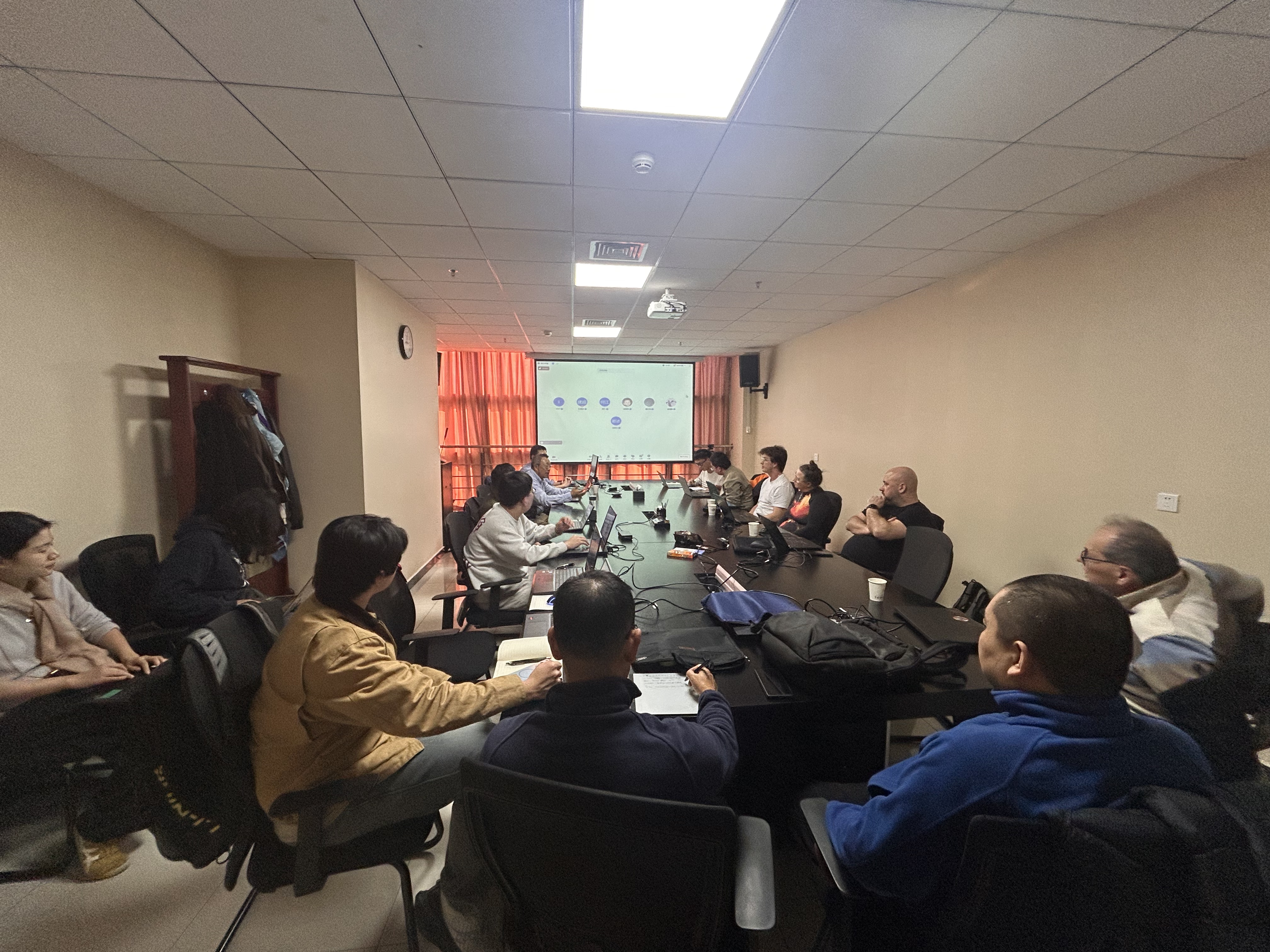
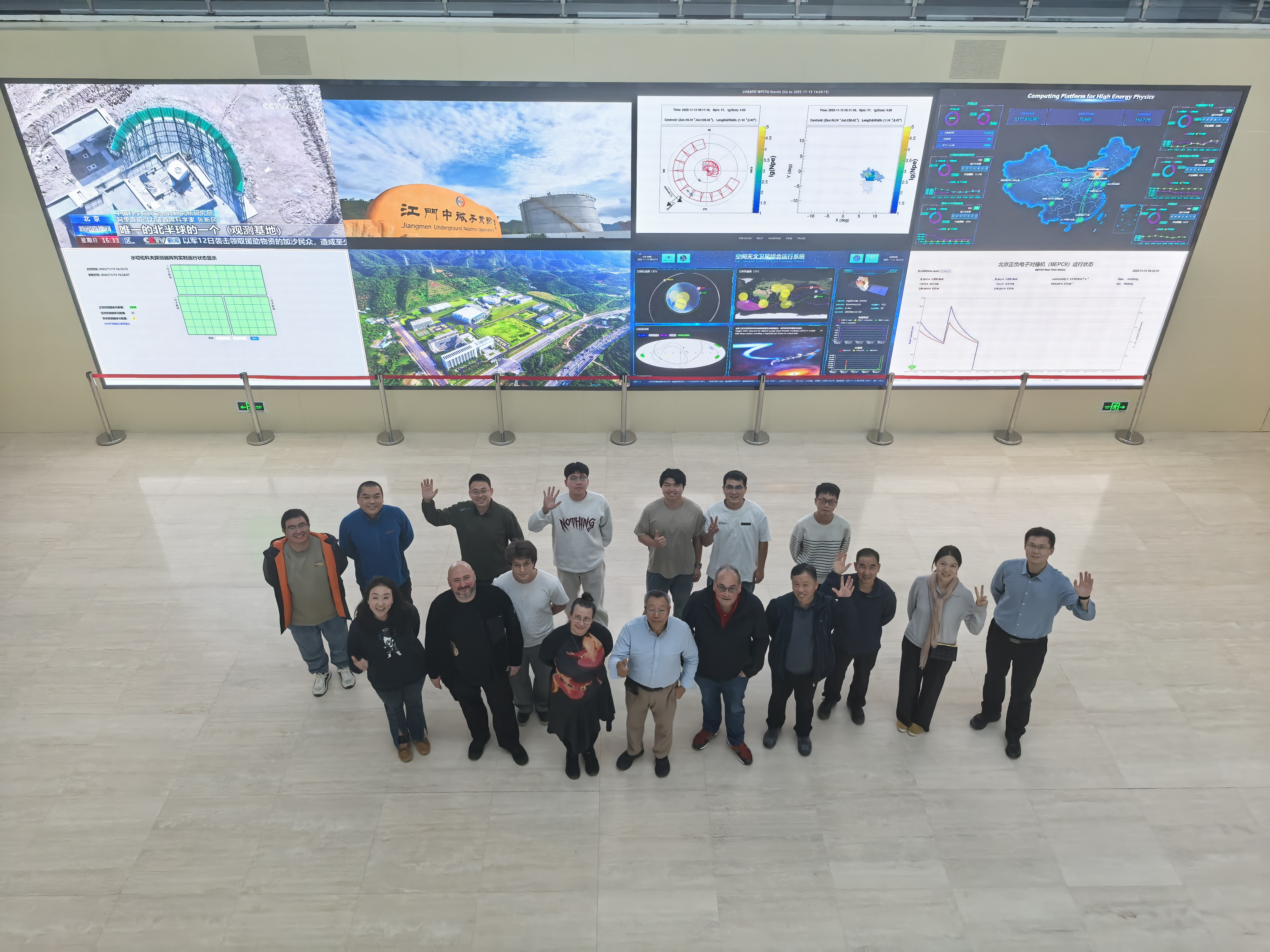
A meeting of teams collaborating on the POLAR-2 project, attended by representatives of the National Centre for Nuclear Research, the Institute of High Energy Physics of the Chinese Academy of Sciences (IHEP) and the University of Geneva, took place on 13 November.
The participants discussed the latest results of work on the instrument's subsystems, including laboratory tests and preparations for instrument integration. Dominik Rybka, MSc Eng., presented the team's progress, highlighting the development of key electronic and structural components.
POLAR-2 is an example of fruitful international cooperation in the field of space research. The project was selected in 2019 as one of six experiments in a competition organised jointly by the United Nations Office for Outer Space Affairs (UNOOSA) and the China Manned Space Agency (CMSA). POLAR-2 is being carried out by an international consortium of institutes from Switzerland, Poland, Germany and China. The aim of the mission is to accurately measure the polarisation of cosmic gamma-ray bursts – some of the most powerful explosions in the Universe, associated with, among other things, hypernova explosions and neutron star collisions. The results of the observations will provide a better understanding of the role of magnetic fields in their formation. The National Centre for Nuclear Research is responsible for key elements of the on-board electronics, including the computer and low-voltage power supply system. The project manager on the Polish side is Prof. Agnieszka Pollo, and the technical package coordinator is Dominik Rybka, MSc Eng. Once in orbit, the instrument will record approximately 250 gamma-ray bursts per year, with high-quality polarisation measurements for about 30 of them. The launch of the instrument into Earth orbit is planned for 2028.